September
1, the date on which Hitler fascism invaded Poland in 1939 and plunged
humanity into catastrophe, is once again being marked today under the
shadow of escalating imperialist wars. While the ruling powers turn the
world into a bloodbath and drive peoples into disaster, they
simultaneously hide behind rhetoric of “peace.” Lasting peace cannot be
built within a system dominated by exploitation, oppression, and
reaction. Genuine peace can only be achieved through a united struggle
against the mechanisms of domination and exploitation maintained by
those in power.
September
1 is an important day for remembering the immense destruction that war
and fascism have inflicted upon humanity and for strengthening the
common struggle of peoples against war. The wars taking place today in
different parts of the world demonstrate that the painful experiences of
the past remain highly relevant. Therefore, September 1 must be a day
on which the struggle against war and militarism is strengthened and
taken to the streets.
The World Is Once Again in the Grip of Imperialist Wars and Occupations!
Contradictions
between the imperialist powers have turned a vast region stretching
from Europe to the Middle East into a war zone. The Ukraine–Russia war,
further escalated by the policies of the United States and NATO,
together with massive arms shipments from Europe to the region, has
brought the world face to face with the danger of a broader imperialist
war. As NATO emerges as the principal military strike force, the danger
of a major imperialist war has become more tangible than ever.
As
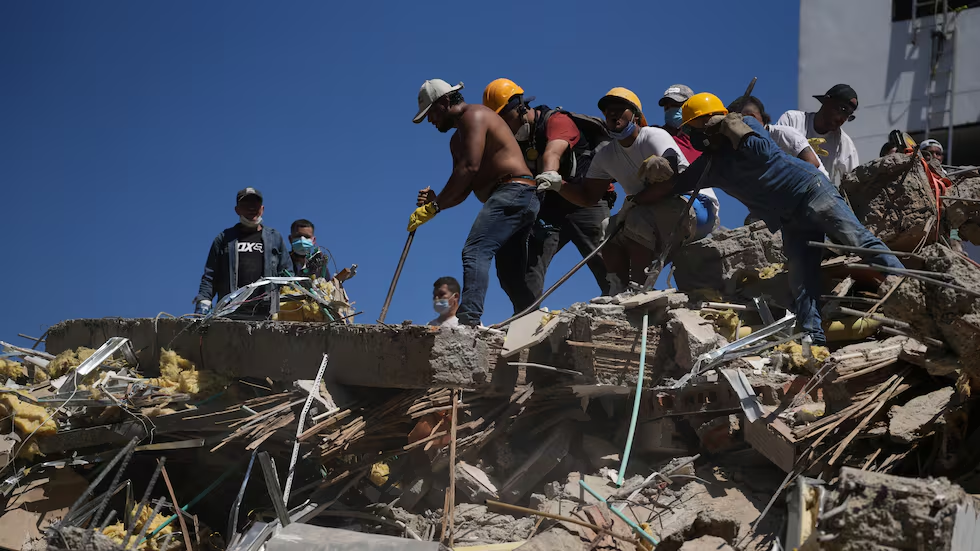
wars intensify, it is once again the peoples who pay the heaviest
price. Cities are destroyed, millions of people are forced to leave
their homes, and the economic and social devastation caused by war
spreads far beyond national borders.
In
the Middle East, the genocide and destruction carried out by Israel
throughout Palestine, with the support of the imperialist powers of the
United States and the European Union, are pushing the entire region into
an increasingly dangerous situation. At the same time, attacks and
attempts at intervention against Iran pursued through the US–Israeli
alliance have brought the war in the region to a new level of
escalation. Amid this dirty struggle for influence, markets, and
domination, thousands of people are losing their lives as a result of
imperialist rivalry and proxy wars stretching from Africa to Asia, while
millions are being forced to flee their homes.
Militarism and the Politics of War Are Driving the Masses into Poverty and Hunger!
The
system, which seeks to overcome its crises through wars and
occupations, increasingly forces the working class and oppressed peoples
to bear the costs. Billions spent on armaments and weapons are taken
away from education, healthcare, and social security. The plundering of
natural resources and the destruction of nature in the pursuit of profit
are intensifying the global food crisis and climate catastrophe.
War
does not take place only on the front lines. Growing militarisation is
directly linked to the deterioration of workers’ living conditions,
rising prices for basic necessities, and the erosion of social rights.
Resources that should be used to meet society’s needs are instead
diverted towards armaments, further increasing the burden that the
politics of war places on society as a whole.
Under
conditions of war and crisis, billions of people are struggling to
survive and living below the poverty and hunger thresholds. Even in the
United States and EU countries that finance wars and promote
militarisation, social and poverty reports show that the number of
people living below the poverty line is increasing, while inflation
continues to erode people’s purchasing power.
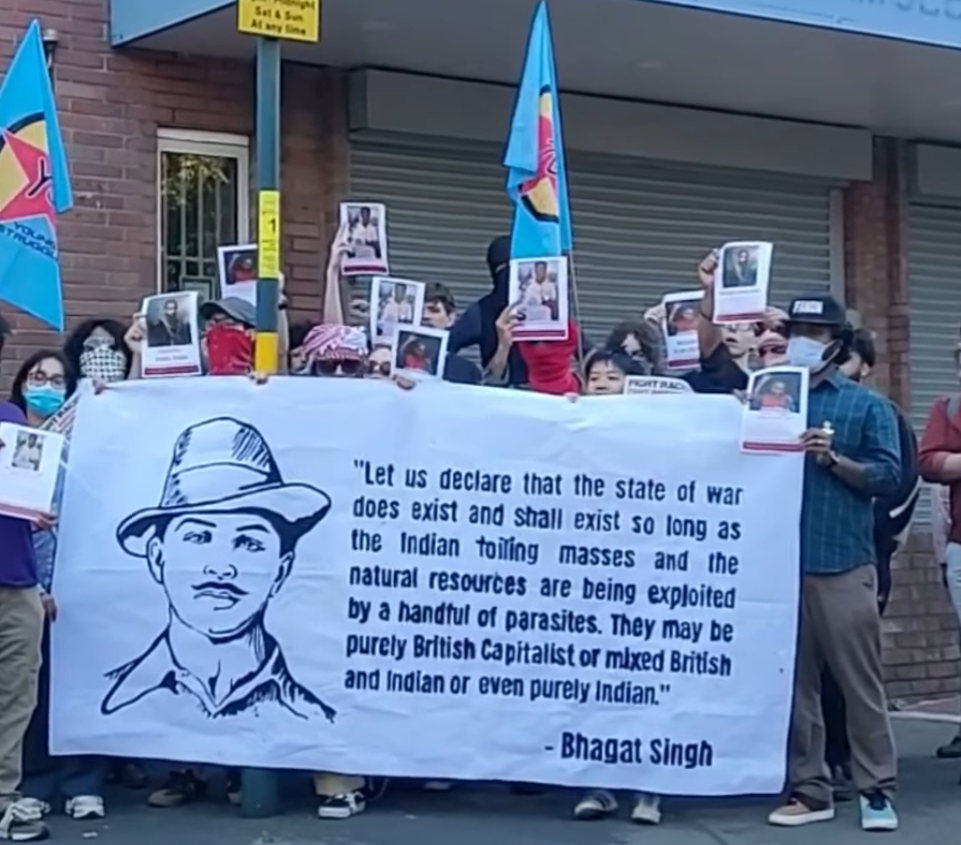
Against War, Exploitation and Racism – For Continuous Resistance!
In
the face of the growing threat of imperialist war worldwide, a powerful
social movement is needed to ensure that the historical experiences of
previous imperialist wars are not forgotten and to prevent new
catastrophes. For this reason, this year’s September 1 demonstrations
must bring demands for nuclear disarmament and opposition to militarism
onto the streets more strongly and on a broader scale.
Racist
and discriminatory policies directed against people who have been
forced to leave their countries because of war are also among the
consequences created by this system of war. Defending solidarity and
fraternity among peoples against the demonisation of refugees,
nationalism, and racism is an inseparable part of the anti-war struggle.
Strengthening solidarity among workers, labourers, and oppressed
peoples is the strongest response to the ruling powers’ policies of
division.
The
system responsible for wars and crises has no future to offer the
peoples of the world. As ATİK, on September 1 we call on workers,
labourers, young people, women, LGBTI+ people, and all progressive and
antifascist forces in numerous European cities to take to the streets.
Let us strengthen our common struggle in the streets against
imperialism, capitalism, fascism, and war!
Let
us come together in the streets and public squares on September 1 and
confront war with the united strength of the peoples. Let us demand that
the resources spent on war and armaments be used to meet the needs of
the people. Let us fight for the abolition of nuclear weapons and all
other weapons of mass destruction, and for an end to occupations and
imperialist interventions. Let us not limit the struggle for peace,
freedom, and equality to a single day, but continue to build it
permanently, collectively, and in an organised manner!
END IMPERIALIST WARS, OCCUPATIONS AND THE NUCLEAR THREAT!
FUND A DIGNIFIED LIFE, NOT ARMAMENTS!


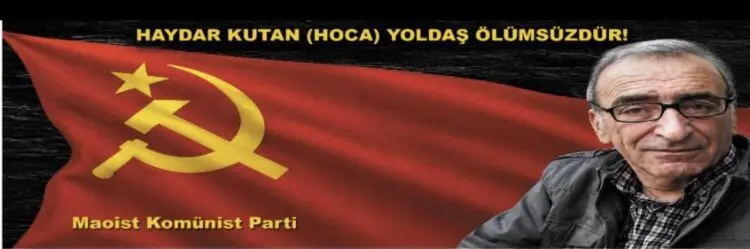
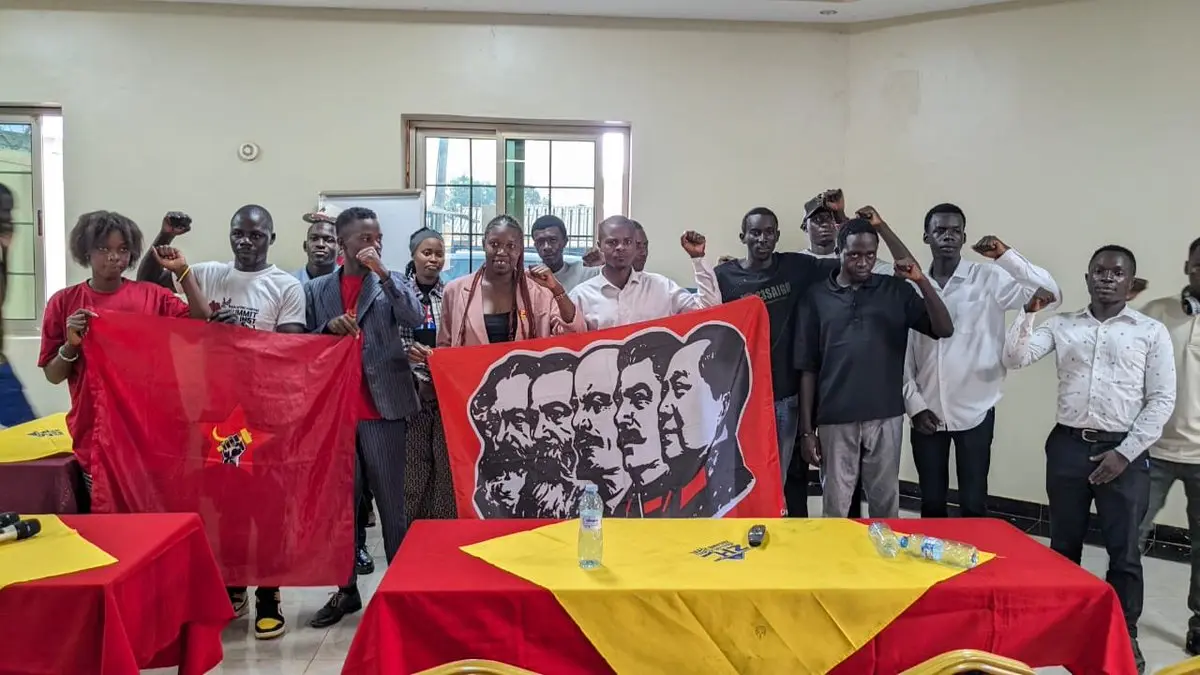




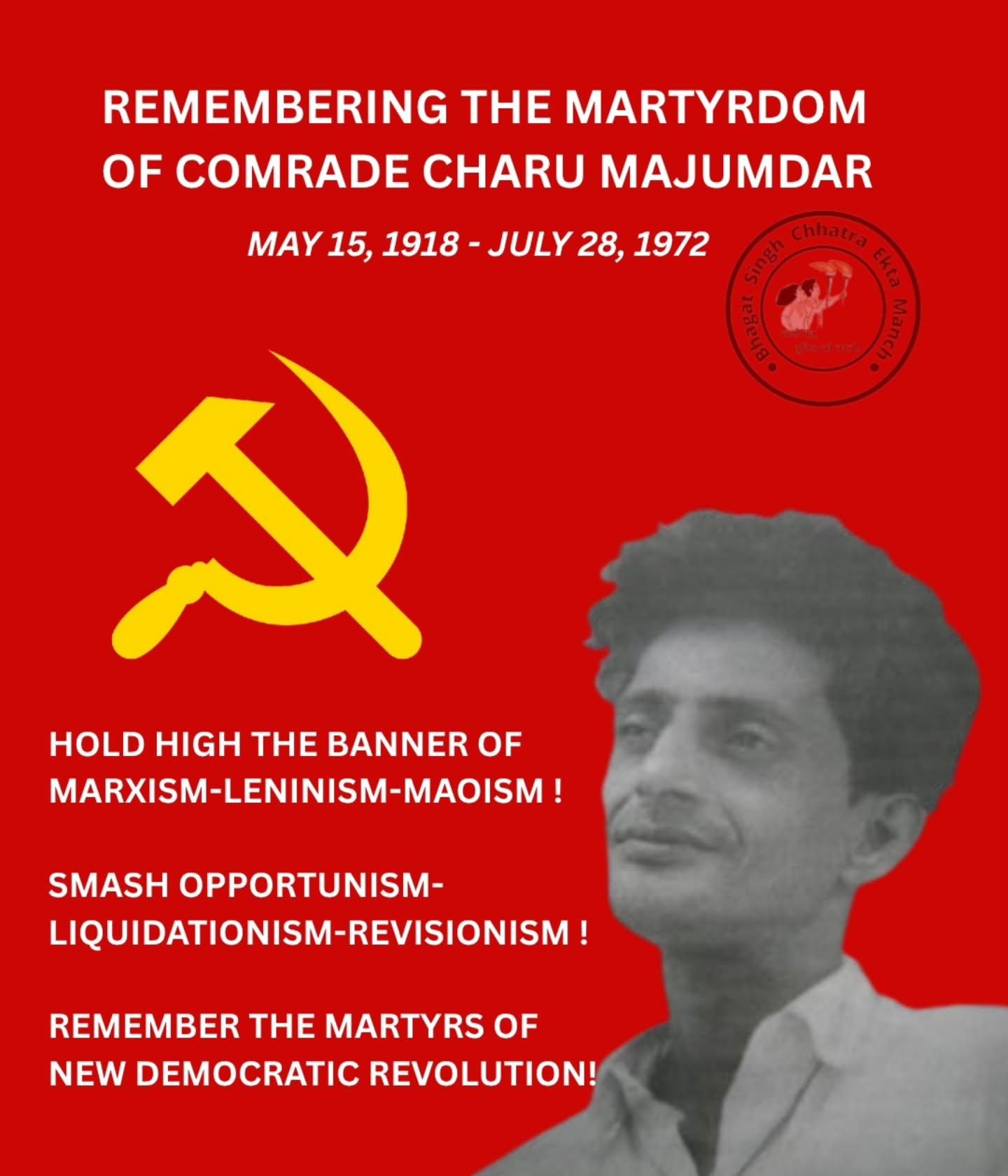 Comrade Charu Majumdar stands as one of
the greatest communist leaders of the world. At a time when revisionism
had reduced the communist movement in India to class collaboration, he
fearlessly upheld Marxism-Leninism-Maoism, and rekindled the path of
people’s war through the thunder of Naxalbari. He taught us that
revolution cannot be begged from the exploiting classes, nor won through
elections, but must be seized by the armed masses under the leadership
of a genuine communist party. His relentless struggle against
opportunism, his insistence on ideological purity, and his unwavering
confidence in the revolutionary potential of the poorest peasants
continue to illuminate the path of revolution in India. Though the
reactionary Indian state captured and murdered him in their custody,
they could never bury his politics. His blood nourished the
revolutionary movement, and his legacy lives on in every struggle that
dares to challenge imperialism, feudalism, and comprador bureaucratic
capitalism. To honour the martyrdom of Comrade Charu Majumdar is not to
worship an individual but to carry forward the revolutionary line for
which he lived, fought and gave his life.
Comrade Charu Majumdar stands as one of
the greatest communist leaders of the world. At a time when revisionism
had reduced the communist movement in India to class collaboration, he
fearlessly upheld Marxism-Leninism-Maoism, and rekindled the path of
people’s war through the thunder of Naxalbari. He taught us that
revolution cannot be begged from the exploiting classes, nor won through
elections, but must be seized by the armed masses under the leadership
of a genuine communist party. His relentless struggle against
opportunism, his insistence on ideological purity, and his unwavering
confidence in the revolutionary potential of the poorest peasants
continue to illuminate the path of revolution in India. Though the
reactionary Indian state captured and murdered him in their custody,
they could never bury his politics. His blood nourished the
revolutionary movement, and his legacy lives on in every struggle that
dares to challenge imperialism, feudalism, and comprador bureaucratic
capitalism. To honour the martyrdom of Comrade Charu Majumdar is not to
worship an individual but to carry forward the revolutionary line for
which he lived, fought and gave his life.