
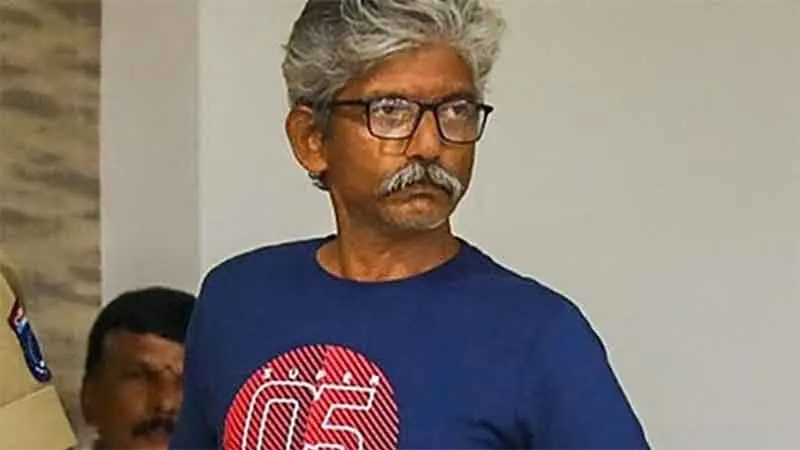
చర్లపల్లి జైలులో మావోయిస్టు రాజకీయ ఖైదీ నిరహార దీక్ష
పౌరహక్కుల సంఘం ప్రకటన
చర్లపల్లి సెంట్రల్ జైలు – మానస, మంజీర బ్లాక్లలో ఖైదీల హక్కుల ఉల్లంఘనపై వెంటనే రాష్ట్ర మానవ హక్కుల కమిషన్ విచారణ జరపాలి
చర్లపల్లి
సెంట్రల్ జైలులోని మానస, మంజీర బ్లాక్లలో ఉన్న ఖైదీలను చట్టప్రకారం ఉదయం 6
గంటల నుండి సాయంత్రం 6 గంటల వరకు వారి బ్లాక్లలో తిరగడానికి అనుమతి
ఇవ్వవలసి ఉన్నప్పటికీ, ప్రస్తుతం ఆ హక్కును ఉల్లంఘిస్తున్నారు.
కొంతమంది
ఖైదీలను బ్లాక్ వరండాలో లాకప్ చేస్తుండగా, మరికొందరిని సెల్లలో
బంధిస్తున్నారు. కానీ వారిని బ్లాక్లలో స్వేచ్ఛగా తిరగనివ్వడం లేదు. దాని
మూలంగా ఆ ఖైదీలు అనారోగ్య సమస్యలు ఎదుర్కొంటున్నారు.
ఈ రెండు బ్లాక్లలో
ప్రధానంగా రాజకీయ ఖైదీలను ఉంచారు. రాజకీయ ఖైదీలు ఉంటున్న మానస, మంజీర
బ్లాక్లలో DLSA జడ్జిల నిరంతర పర్యవేక్షణ లేకపోవడం వల్ల, ఆ ఖైదీలకు వారి
బ్లాక్లలో తిరగడానికి ఎలాంటి అవకాశం ఇవ్వడం లేదని సమాచారం అందుతోంది.
“అధిక
భద్రత” పేరుతో చట్టాన్ని తప్పుగా వాడుకుంటూ, రాజకీయ ఖైదీలనే కారణంగా ఖైదీల
ప్రాథమిక హక్కులను అణచివేయడానికి జైలు సూపరింటెండెంట్ ప్రయత్నిస్తున్నారు.
మంజీర,
మానస బ్లాక్లలో ఉదయం 6 గంటల నుండి సాయంత్రం 6 గంటల వరకు లాకప్ ఓపెన్
చేయాలని డిమాండ్ చేస్తూ, ఆరోపిత సిపిఐ (మావోయిస్ట్) సెంట్రల్ కమిటీ సభ్యుడు
సంజయ్ దీపక్ రావు అక్టోబర్ 28 నుండి నిరాహార దీక్ష ప్రారంభించారు.
మేము
తక్షణమే చట్టప్రకారం ఉదయం 6 గంటల నుండి సాయంత్రం 6 గంటల వరకు ఖైదీలకు వారి
బ్లాక్లలో స్వేచ్ఛగా తిరగడానికి అనుమతి ఇవ్వాలని డిమాండ్ చేస్తున్నాము.
సూపరింటెండెంట్కు
నిజంగా చిత్తశుద్ధి ఉంటే, ఉదయం 6 గంటల నుండి సాయంత్రం 6 గంటల వరకు ఖైదీలు
బ్లాక్లలో స్వేచ్ఛగా తిరగడానికి అనుమతి ఇస్తున్నారా లేదా అనేది స్పష్టంగా
చెప్పాలి.
“వరండా లాకప్ చేస్తున్నాం, సెల్లలో నిర్బంధం చేయడం లేదు” అనే
అవకాశవాద వాదనలతో న్యాయస్థానాల నుంచి తప్పించుకోకుండా, నిజంగా స్వేచ్ఛగా
తిరగడానికి అనుమతిస్తారా లేదా అనేది రాష్ట్ర మానవ హక్కుల కమిషన్లో వారి
న్యాయవాది జాబాలి వేసిన కేసు నం. 1253/IN/2025 లో సూపరింటెండెంట్ స్పష్టంగా
చెప్పాలి.
ఆ బ్లాక్లలో ఉన్న CCTV ఫుటేజీల ఆధారంగా సూపరింటెండెంట్పై విచారణ జరిపి కేసు నమోదు చేయాలని మేము డిమాండ్ చేస్తున్నాము.
అలాగే,
DLSA జడ్జిలు క్రమం తప్పకుండా మానస, మంజీర బ్లాక్లలో పర్యవేక్షణ చేసి,
ఖైదీల హక్కులు ఉల్లంఘించబడకుండా ప్రత్యేక శ్రద్ధ వహించాలని మేము గట్టిగా
కోరుతున్నాము.
– గుంటి రవి
CLC తెలంగాణ, ఉపాధ్యక్షుడు
“Had the prison authorities simply followed the law, Sanjoy would never have had to starve for justice.”
“If you don’t follow the Constitution, why should we? I will not follow rules.”
Those were the words allegedly spoken by a senior prison officer to political prisoner Sanjoy Deepak Rao who is a Central Committee Member of CPI (Maoist) inside Cherlapally Central Prison, Hyderabad. For a man who has spent over a two years as an undertrial, these words were not mere arrogance. They revealed the collapse of legality itself within India’s prisons.
On 28 October 2025, Sanjoy, aged 60, began a hunger strike. His protest was not for privilege or comfort. It was an act of survival. A demand that the State follow its own laws.
Locked 22 Hours a Day
In a phone call to his life partner, Sanjoy explained why he had stopped eating:
“For eight months I am kept under lock for 22 hours. Earlier, it was 24 hours. The Manual says it should be open from 6 a.m. to 6 p.m. They have not given me my own copy of the Manual. My letters are not being posted. They entered my room when I was at court. I saw boot prints. They may be planning to implicate me. I am demanding that my room be checked only in my presence.”
For nearly two years, Sanjoy has lived in near-total isolation — confined in a 60-by-20-foot barrack, without human contact. Telugu and Hindi magazines were denied to him. His personal copy of the A.P. Prison Manual, 1979, purchased with his own money, was seized. Letters he wrote to his family and to courts were reportedly never posted. Even his lawyer was denied a meeting.
This denial was not only inhuman. It was illegal.
The Legal Battle for a Simple Right: Meeting a Lawyer
When the prison authorities blocked access to Sanjoy’s advocate (me). I filed a writ petition (W.P. No. 30438 of 2023) before the Telangana High Court. The Court, in its order dated 28 November 2023, directed the authorities as follows:
“Respondent No.3 (Cherlapally Central Prison Superintendent) shall consider the application dated 20.10.2023 submitted by the petitioner and pass appropriate orders strictly in accordance with Sections 40 and 41 of the Prisons Act, 1894, and Rule 506 of the Telangana State Prison Rules, within one (1) week…”
However, the order was purely procedural, instructing the authorities to consider the application rather than ensure that legal access was granted. It provided no substantive relief or enforcement mechanism.
Following the order, the jail authorities briefly allowed me to conduct a legal interview. But after a few months, they once again began obstructing access. Taking advantage of the ambiguity in the court’s direction, the prison administration reverted to its earlier practice of denial.
Instead of complying with the law and respecting judicial authority, the officials treated the High Court’s order with complete indifference. Realising that the courts were restricting themselves to procedural compliance rather than ensuring accountability, prison officials grew increasingly confident in suppressing prisoners’ rights.
The violation continued unabated. They again stopped me from meeting Sanjoy for a legal interview. I was therefore compelled to file another petition vide W.P. No. 579 of 2025, which is still pending before the High Court. This petition seeks a Writ of Mandamus declaring the obstruction of legal interviews as illegal, arbitrary, and unconstitutional, in violation of Articles 14, 19, 21, and 22 of the Constitution of India, Section 40 of the Prisons Act, 1894, and Rule 506(1) and (2) of the Telangana State Prison Rules.
The persistence of such denial exposes a stark truth: for so-called “high-security” political prisoners, the Constitution effectively ends at the prison gate.
The Petition: A Plea for Lawful Treatment
On 9 January 2025, Sanjoy submitted a detailed petition before the Special NIA Court at Nampally. He cited Rule 738 of the A.P. Prison Rules, which prohibits “unnecessary restraint” and “excessive segregation” of under trials.
Solitary confinement amounts to “psychological murder,” as inmates feel. One of the landmark judgments against unlawful solitary confinement is Sunil Batra v. Delhi Administration (1978), delivered by Justice V.R. Krishna Iyer. It stated…
“It was said that continuously keeping a prisoner in fetters day and night reduces the prisoner from a human being to an animal, and that this treatment is so cruel and unusual that the use of bar fetters is anathema to the spirit of the Constitution.”
Sanjoy’s demands were minimal and entirely within law:
· End unlawful solitary confinement and segregation.
· Return his seized Jail Manual.
· Allow dental treatment in an outside hospital.
· Permit use of shoes for medical reasons.
· Restore access to his advocate
Each of these demands stemmed from the Prisons Act, 1894, and the Telangana Prison Rules. None was radical. Yet instead of addressing them, prison authorities retaliated.
They branded him a “high-security extremist,” accused him of “trying to radicalise co-prisoners,” and even alleged he “carved a hole in the wall to escape.” No FIR was filed. No inquiry conducted. No evidence produced. The allegations exist only as a bureaucratic justification for continued isolation.
When Courts Acknowledge Rights but Deny Relief
After months of hearings, the Special NIA Court issued its final order on 23 June 2025:
“This Court is not having any material to proceed further… The jail authorities shall strictly follow the Prison Rules and Jail Manual, by following the guidelines of the Apex Court.”
It was a textbook example of judicial abdication — an order that acknowledged illegality but refused remedy. By pushing responsibility back to the very authorities accused of violating the law, the court reduced justice to paperwork.
This mechanical form of justice where the judiciary merely cites the Constitution but refuses to enforce it, has become disturbingly routine. It is what legal scholars call “procedural compliance replacing substantive justice.”
The result is predictable: law-abiding prisoners must starve to remind the State of its own law.
The Advocate’s Struggle and the Missing Jail Manual
I repeatedly wrote to the Inspector General and the Superintendent of Prisons requesting clarity on prison procedures, legal interviews, and prisoners’ communication rights. Both letters were sent by registered post. Neither was acknowledged.
This silence is not administrative inefficiency. It is institutional contempt.
Compounding the opacity, the Telangana Jail Manual itself is not available anywhere in updated form. Even the Gazette Publication Department does not have a proper copy. Only a scanned, illegible, and outdated version of the 1979 Manual is uploaded online in Telangana prison department website. It has not been updated according to new prison rules and judicial mandates.
This very issue has been challenged before the High Court in W.P. No. 3636 of 2025, seeking proper maintenance and publication of the Jail Manual, a fundamental legal document that defines prisoners’ rights. That petition too remains pending.
When laws governing incarceration are themselves hidden or outdated, arbitrariness becomes the system’s default language.
When Law Itself Becomes Punishment
In India’s prisons, “high security” has become a euphemism for “no rights.” Access to sunlight, reading material, communication, or medical care is routinely suspended in the name of security.
For the prison authorities, “security” becomes a justification to suspend law.
For the courts, citing procedure becomes a substitute for justice.
For the prisoner, existence itself becomes punishment.
What Sanjoy was denied were not privileges. They were constitutional rights:
the right to dignity, the right to communication, and the right to legal counsel.
The Meaning of Resistance
Sanjoy’s hunger strike was not an act of defiance. It was a demand that the State obeys its own law. It was an act of moral protest, invoking the same spirit that animated India’s freedom struggle, that resistance to illegality is a duty when legality itself is violated.
In a democracy, the Constitution is meant to protect the powerless against the State. Inside India’s prisons, that promise has been inverted: The State is protected from accountability, and prisoners are left to starve for rights that already belong to them.
Sanjoy’s protest tells a larger story of institutional collapse, where legality survives only through acts of endurance.
It exposes a truth that must disturb any democracy: when courts refuse to act, hunger becomes the last remaining language of justice.
Had the prison authorities followed the law, the hunger strike would never have begun.
Had the courts enforced their own orders, the Constitution would not need to be defended from inside a cell.
When legality becomes illusion, refusing food becomes the only way left to speak truth to power.

No comments:
Post a Comment